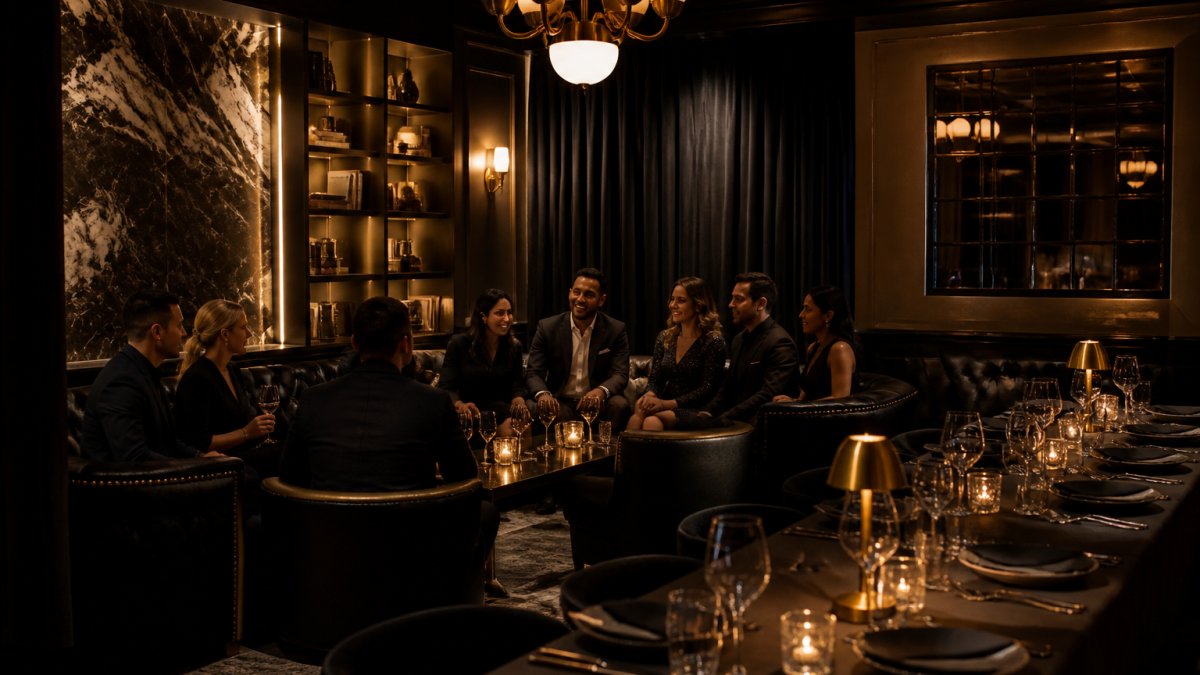
 ultimate-guide
Reserve Private Lounge for Group Event: A Planning Guide
Table of Contents
- What to Expect When You Reserve a Private Lounge for a Group Event
- Essential Questions to Ask When Booking a Private Event Space
- Private Event Venue Booking Tips That Actually Work
- Private Lounge Rental Pricing Guide: What You're Actually Paying For
- How to Compare Private Lounge Venues for Your Group
- From Inquiry to Celebration: Your Private Event Booking Timeline
- Frequently Asked Questions
Last Updated: October 21, 2026
What to Expect When You Reserve a Private Lounge for a Group Event
When you reserve private lounge space for a group event, you're securing an exclusive or semi-exclusive area designed specifically for your celebration, meeting, or gathering. The experience differs significantly from standard restaurant seating, and understanding what's involved before you pick up the phone makes the entire process smoother.
When you reserve a private lounge for a group event, you're typically gaining access to a dedicated area with its own atmosphere, service flow, and customization options. The space transitions from daytime dining to evening social setting, which matters if your group plans to linger after the meal.
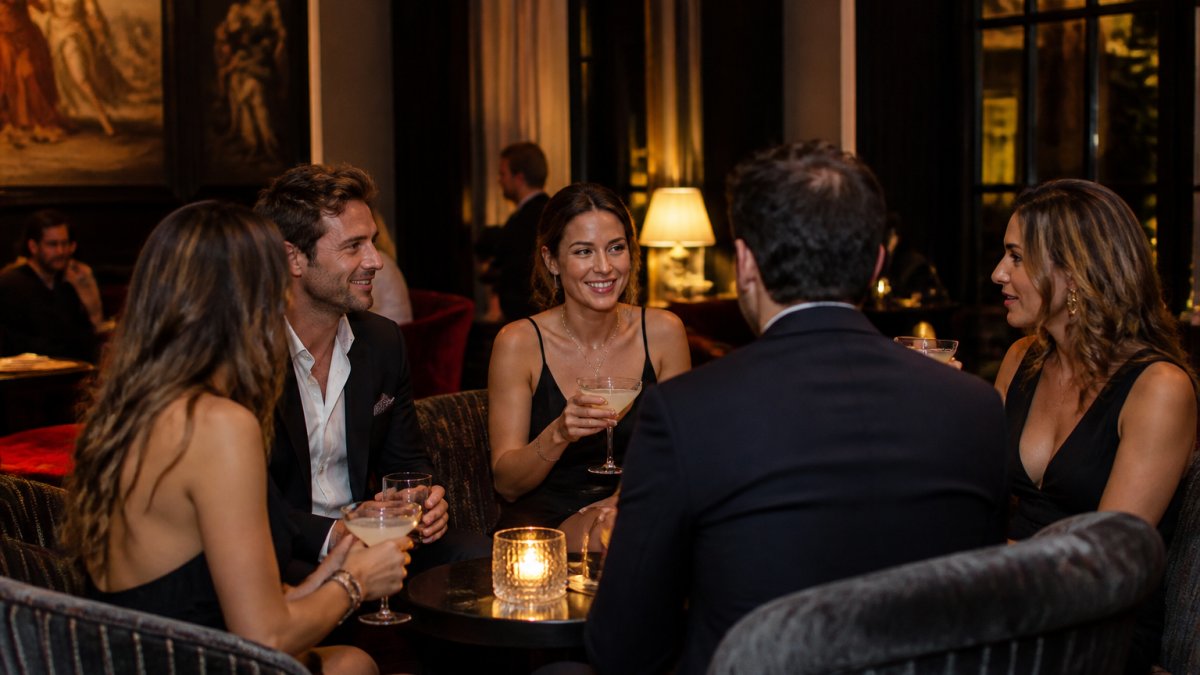
Full buyout versus semi-private space
The first decision when you reserve a private lounge for a group event is whether you want the entire venue or just a portion of it. A full buyout means your group has exclusive access to the entire lounge, no other guests, no shared bar, complete control. This works best for milestone celebrations, corporate events, or groups larger than 40 people who want to set their own tone and pace.
A semi-private space gives you a dedicated section with your own server and bar service, but the larger venue remains open to other guests. This option suits smaller groups who want privacy without the commitment of renting the entire space.
The cost structure differs between the two. Full buyouts usually include a minimum spend or flat rental fee, while semi-private spaces often work on a per-person food and beverage minimum. Understanding this distinction upfront prevents surprises when discussing pricing with the venue.
Event capacity and room layout
Room capacity determines whether the space actually works for your group size. When you reserve a private lounge for a group event, ask specifically about both seated and standing capacity, they're different numbers.
Layout flexibility matters too. Request a floor plan or ask about layout options before committing.
Ceiling height, lighting controls, and sound system capabilities also fall under room layout considerations.
Essential Questions to Ask When Booking a Private Event Space
Before you reserve a private lounge for a group event, prepare a specific list of questions that reveal whether the space truly matches your needs. Generic questions get generic answers. Specific ones uncover whether the venue can actually deliver.
Ask about the minimum spend and what it includes. Is it a flat rental fee, a per-person food and beverage minimum, or both? Does the minimum include gratuity and service charges, or are those added on top? Does it apply to the entire event duration or just dinner service? Understanding the financial structure prevents sticker shock later.
Request clarity on what's included in the price. Is there a dedicated bartender and server included, or do you hire them separately? Can you bring outside catering, or must you use the venue's kitchen? These details dramatically affect your total cost and logistical complexity.
Ask about the booking timeline and cancellation policy. How far in advance must you commit? What happens if you need to reduce your guest count two weeks before the event? Is there a grace period for changes, or are you locked into your original numbers? Venues with rigid policies create stress when circumstances shift.
Inquire about music and entertainment options.
Private Event Venue Booking Tips That Actually Work
The booking process itself has patterns. Following them saves time and prevents misunderstandings.
Timing your reservation and planning your timeline
Start your search at least 8-12 weeks before your desired date, especially if you're planning a weekend event during peak season.
Once you've chosen a date and venue, lock in your guest count as soon as possible. Confirm the timeline for menu selections and any other customizations. A clear calendar prevents last-minute scrambling and gives the venue time to prepare properly.
Plan your event flow with the venue's team.
Understanding minimum spends and inclusive services
Minimum spends exist because the venue needs to cover staffing, utilities, and overhead. To reserve private lounge space for a group event, the minimum is often calculated as a per-person amount multiplied by your guest count. A $75 per-person minimum with 40 guests means you're committing to $3,000 in food and beverage charges.
Ask whether the minimum is pre-tax or post-tax. Some venues quote minimums before service charges and gratuity are added, which can inflate your final bill by 20-30%. Understanding the true cost prevents budget surprises.
Clarify what counts toward the minimum. Does it include wine, beer, and spirits, or only house selections? Do appetizers and passed hors d'oeuvres count the same as plated entrees? Some venues allow you to apply a portion of the minimum toward rentals or entertainment, while others don't. These details shift your actual out-of-pocket cost significantly.
Private Lounge Rental Pricing Guide: What You're Actually Paying For
When you reserve a private lounge for a group event, your bill typically includes several components, and understanding each one helps you evaluate whether the venue offers value.
Food and beverage costs form the largest portion. This includes all menu items, bar service, and any passed appetizers. Premium ingredients like A5 Wagyu or caviar increase per-person costs but create a memorable experience. Standard proteins and wines cost less but may feel less special depending on your guest expectations.
Service charges and gratuity are separate from the per-person food cost.
Rental fees cover the space itself. Some venues include this in their per-person minimum, while others charge it separately.
Audio-visual equipment, music licensing, and special entertainment add to the cost.
Pricing depends on quantity, dates, and delivery, peak weekend times cost more than weekday events. Ask for a detailed quote that breaks down each component so you can compare venues accurately.
How to Compare Private Lounge Venues for Your Group
Comparing venues requires a framework, not just gut feeling. Create a simple scoring system that weights what matters most to your event.
Amenities, food and beverage options, and bar service
The quality of the kitchen and bar directly affects your event experience. Ask whether the venue has in-house chefs or uses external catering.
Bar service quality separates a forgettable event from a memorable one. Does the venue employ skilled bartenders who can craft quality cocktails, or do they pour standard drinks? Can they create a signature cocktail for your event? Do they offer a wine list curated for food pairings, or is it generic?
Food and beverage options should match your event's tone and guest expectations. Ask for menu samples or tastings before committing. Some venues offer customizable menus that let you mix and match items, while others have fixed options.
| Venue Aspect | What to Evaluate | Why It Matters |
|---|---|---|
| Kitchen | In-house vs. catering, chef experience | Consistency, flexibility, dietary accommodation |
| Bar Service | Bartender skill, cocktail options, wine selection | Event quality, guest experience, memorability |
| Menu Flexibility | Customizable options, dietary accommodations, tasting availability | Guest satisfaction, personalization, value |
| Capacity | Seated vs. standing, layout options, furniture modularity | Comfort, event flow, guest experience |
| Included Services | Linens, glassware, plates, server, bartender | Budget clarity, total cost, logistics |
Location, parking, and accessibility
The venue's location determines whether your guests can actually attend.
Parking availability often gets overlooked until guests arrive stressed and circling the block. Ask how many parking spaces are available, whether they're free or paid, and whether valet service is offered.
Accessibility matters for guests with mobility challenges.
From Inquiry to Celebration: Your Private Event Booking Timeline
Understanding the booking process timeline prevents surprises and keeps you organized.
Week 1-2: Research and Initial Contact Identify venues that match your vision. Contact them with basic details: date, guest count, event type, and budget range. Request information packets and availability calendars.
Week 3-4: Site Visits and Comparisons Visit your top 2-3 choices in person. Walk the space, ask your prepared questions, and request detailed quotes. Taste food samples if available. This is when you decide whether a venue feels right.
Week 5-6: Booking and Deposit Once you've chosen a venue, sign the contract and submit your deposit (typically 25-50% of the estimated total). Confirm your preferred date in writing.
Week 7-10: Menu Selection and Customization Work with the venue's event coordinator to finalize your menu, bar selections, and any special requests. Provide a preliminary guest count if it differs from your initial estimate.
Week 11-12: Final Confirmations Submit your final headcount, confirm all menu selections, and review the event timeline with the venue. Discuss any last-minute customizations or special requests.
Week of Event: Final Walk-Through Visit the venue one more time to confirm setup, decoration placement, and service flow. Arrive early on event day to oversee final preparations.
Booking a private lounge for a group event requires clarity about what you're paying for and what experience you want to create. At Le Nocturne, we understand that every celebration deserves a space that matches its importance. Our French restaurant and lounge transitions seamlessly from intimate dining to sophisticated evening gathering, with handcrafted cocktails, curated wines, and premium cuisine like A5 Wagyu and caviar. When you're ready to reserve a private lounge for a group event that feels truly special, View Menu to explore what we offer.
Frequently Asked Questions
How far in advance should I reserve a private lounge for a group event?
Booking timelines vary by venue and event size. For groups under 20 people, 2-3 weeks is often sufficient. Larger groups or peak dates (weekends, holidays) typically require 4-8 weeks advance notice. Upscale venues with full buyout options may ask for 6-12 weeks lead time to accommodate your event layout and catering needs. Contact your venue early to confirm availability and lock in your preferred date.
What questions should I ask when booking a private event space?
Ask about capacity limits for your guest count, whether the space is fully private or semi-private, what food and beverage options are included, if there's a minimum spend requirement, what the dedicated server and bartender setup looks like, parking availability, and cancellation policies. Clarify whether the rental price covers setup and breakdown time. Get all terms in writing before signing.
What does a private lounge rental typically include?
Most private lounge rentals include exclusive or semi-exclusive use of the space, a dedicated server and bartender, access to the venue's food and beverage menu, and basic event setup. Pricing varies based on guest count, duration, and whether you choose full buyout or partial booking. Always confirm what's covered in the quoted price and what incurs additional fees for premium selections like A5 Wagyu or caviar.
What's the difference between a full buyout and a semi-private lounge booking?
A full buyout means your group has exclusive use of the entire venue or a large designated section with no other guests. Semi-private space shares the lounge with other patrons but offers a reserved area with defined boundaries. Full buyouts provide more privacy and control over the atmosphere but typically require a higher minimum spend. Semi-private options work well for smaller groups and are more budget-friendly while still offering dedicated service and a reserved space for your event.